

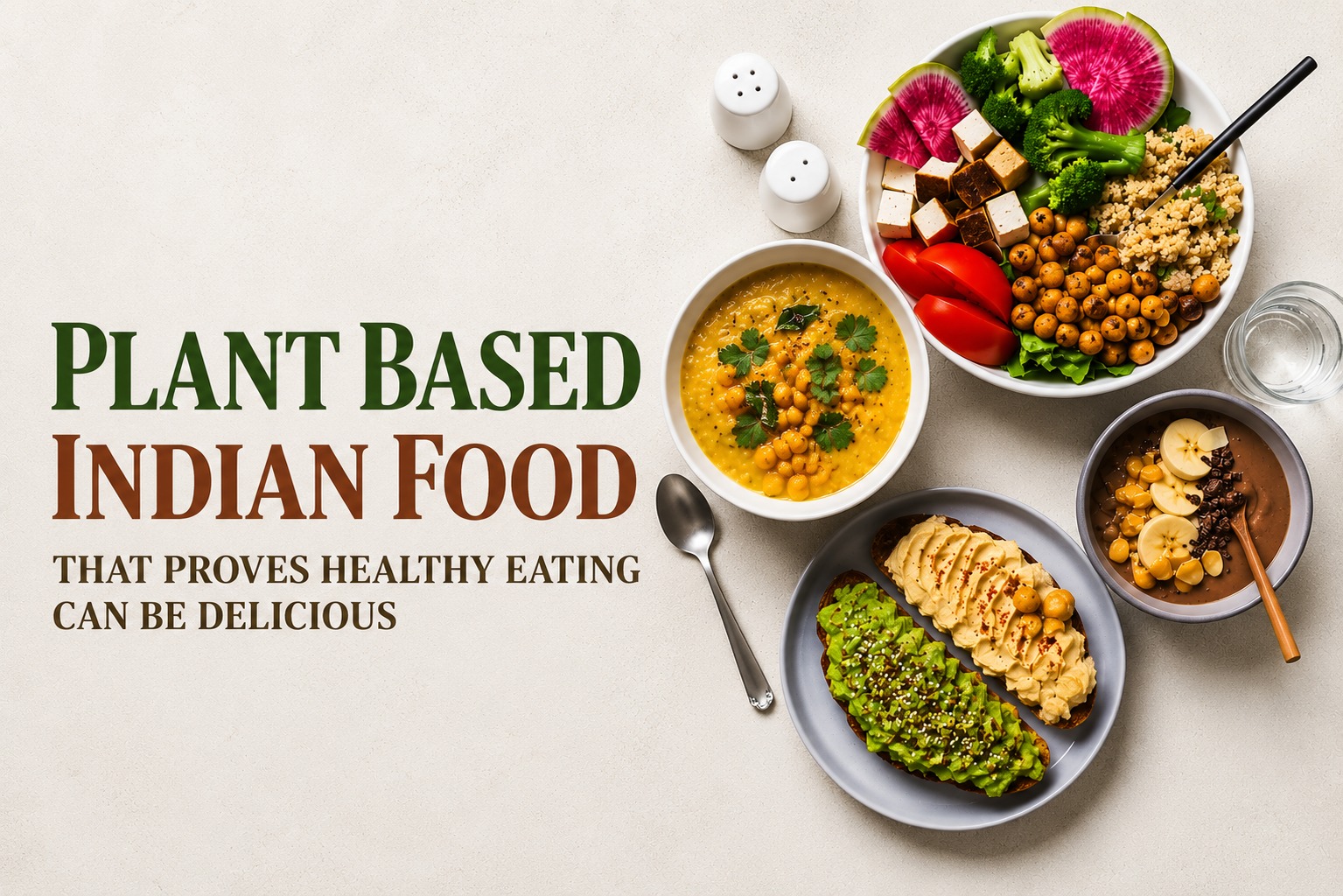
Plant-Based Indian Food That Proves Healthy Eating Can Be Delicious
Introduction:
Many people anticipate that a healthful eating method sacrifices flavor. The first photo that comes to mind is dull salads, undeniable proteins, and spending each meal wishing the food had become something else. But plant based Indian food has been proving that concept incorrect for a long time. It is a delicacy built on spices that, without a doubt, do the work, and lentils that supply actual, filling flavor to the dish. Eating this way feels nourishing without ever feeling like a punishment for making a good choice.
The Flavor Foundations of Indian Plant-Based Cooking:
Spices That Shape Indian Vegan Meals:
Indian cooking makes use of a layered technique to spicing that transforms even the pleasant components. Turmeric has anti-inflammatory residues. Cumin allows digestion. Coriander provides a citrusy, warm temperature. These are not simply taste tools; they’re useful components with real nutritional roles. The satisfactory Indian vegan meals are built on this spice foundation. A properly spiced lentil soup or chickpea curry offers complexity that no bland weight-reduction plan food can.
Benefits of Slow Cooking Food:
A fast-food lifestyle regularly strips away texture and taste. Indian cooking takes the opportunity approach. Slow-simmered dals, strain-cooked legumes, and prolonged-decreased gravies grow a richness that comes sincerely from time and method. The stop result is a bowl of food that feels indulgent yet is very last, definitely wholesome, and free from artificial components.
Indian Veg Recipes That Need More Spotlight:
Health Benefits of Lentils:
Dal, in all its close-by paperwork, is one of the most protein-dense, fiber-rich dishes among delicacies. Whether it’s a skinny, soupy Tamil paruppu or a thick, buttery dal makhani made without cream, the base is continually legumes. Indian vegetarian dishes built around lentils offer complete amino acid profiles, whilst, when paired with rice or roti, they are nutritionally comparable to meat-based foods.p>
Jain Food and Its Plant-Based Principles:
Jain meals are one of the longest-standing instances of a plant-based diet in India. It excludes meat, fish, eggs or root vegetables such as onions, garlic and potato. It is governed by the law of non-violence. Jain meals are delicious, full of lentils, grains, greens in season and spices in perfect balance, with the one rule. The result? Eating properly would not need to be uninteresting. Wholesome, nutrient-dense cooking does not must suggest flavourless. That bond was never real to begin with.
Meatless Indian Dishes Across Regional Traditions:
Fermented South Indian Food :
South Indian cooking adds a fermented dimension to meatless Indian dishes, providing probiotic benefits along with a splendid flavor. Idli batter, dosa fermentation, and kanji are all-time-examined procedures that enhance intestinal fitness. The light tang taste in a good dosa or uttapam is the result of natural fermentation. It is the result of the beneficial action of bacteria, which makes the food easier to digest and more nutritious.
North India's Hearty Vegetable Preparations:
North Indian families have been savoring chana masala, aloo gobi, palak preparations for generations. Thick gravies made from tomato, onion and spice pastes have a way of making everything in them feel like enough. Paneer, spinach, cauliflower, chickpeas, all take on that depth and stand up. Simply put, the question of what is missing never arises. The food beats it to the question. This is cooking that was complete from the get-go.
Conclusion:
Joy does not leave the table when the food is healthy. Plant based Indian cooking has always known this. Rooted in centuries of vegetable-forward tradition, it relies on purposeful spices and honest flavors rather than shortcuts. Naatiya Indian Restaurant in Bloomfield, CT, honors that approach with a plant-based menu that runs deep into South Indian cooking. Dals, coconut curries, and more, each made with real spices and traditional care.
Frequently Asked Questions
1. What is plant based food?
Plant-based food focuses primarily on vegetables, fruits, grains, legumes, nuts, and seeds, offering nutrient-rich meals without relying heavily on animal products.
2.What is Jain food?
Jain food is a vegetarian cuisine rooted in non-violence, excluding meat, eggs, and root vegetables while emphasizing lentils, grains, seasonal produce, and balanced spices.
3.What are the health benefits of lentils?
Lentils are rich in plant protein, fiber, vitamins, and minerals, supporting digestion, sustained energy, and balanced nutrition in vegetarian and plant-based diets.
4. Is Indian food vegan?
Many Indian dishes are naturally vegan, especially those made with lentils, vegetables, grains, and spices, though some recipes may include dairy products.