

6 Must-Order Sides That Complete Your Indian Meal
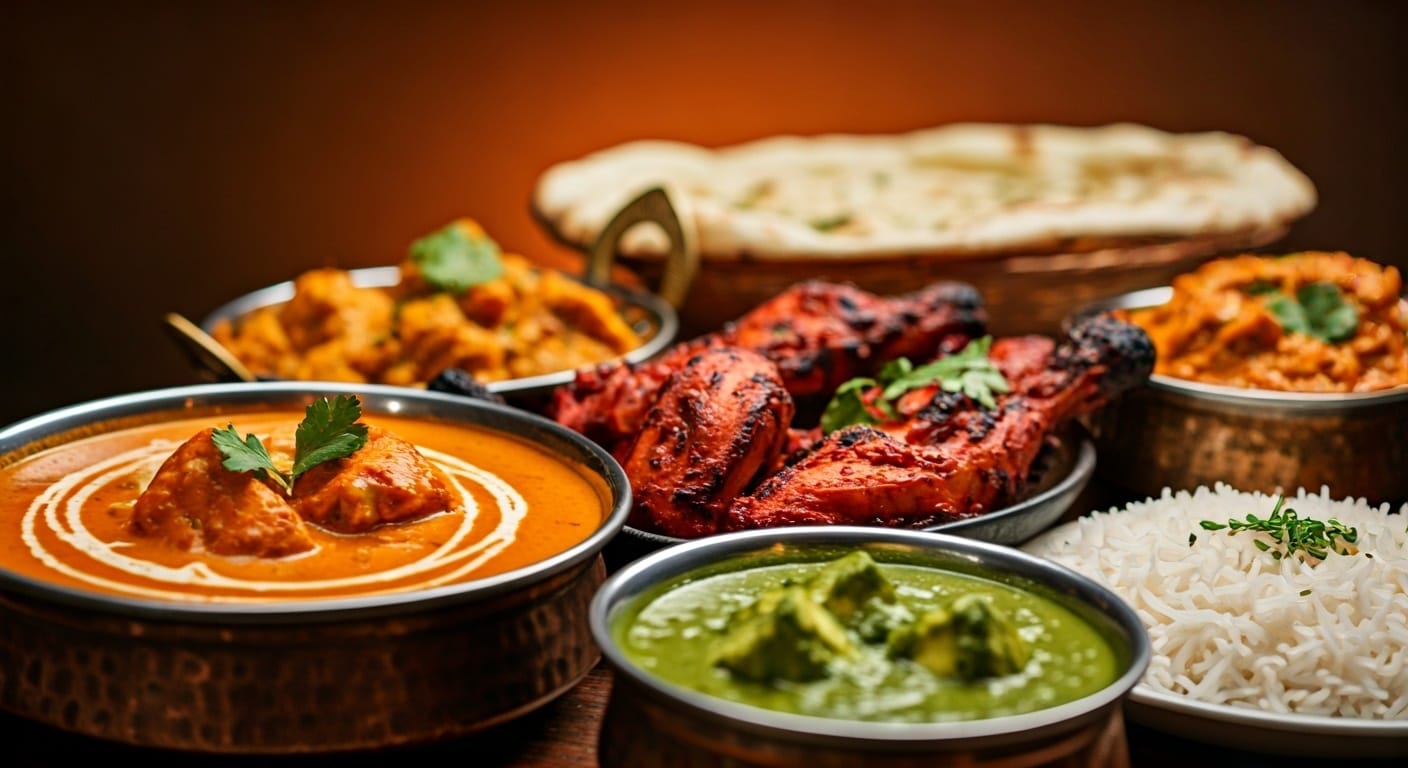
Entering a South Indian restaurant in Connecticut will engage your senses immediately. You'll smell spices as soon as you walk through the door, see colourful food when you're seated at the table, and be drawn into the numerous small silver bowls that are neatly arranged around the dishes on your plate. Although the dosa and soft idli get most of the attention during any meal, there are many other sides in the small silver bowls that play an important part in the meal. All these side dishes are packed with flavours, textures and contrast that make the meal much more thoughtful and complete than if you were just eating the main dishes alone. People who regularly eat at South Indian restaurants in Bloomfield, Connecticut have learned that when you understand what each side is contributing to the overall meal, you will experience a South Indian dining experience like no other.
Understanding the South Indian Plate
Traditional South Indian dining embraces a framework for harmony which dates back to antiquity. According to the Culinary Institute of America, regional Indian cuisines utilize a combination of six flavors- sweet, sour, salty, bitter, spicy, and pungent- and offer them together in one meal. Each item on a South Indian Menu is designed to complement another by adding heat, cooling the mouth, giving crunchy textures, or enhancing flavors within a standard preparation of rice and lentils. If you walk into a true South Indian restaurant, you will find the waitstaff has many opportunities to introduce this culinary journey to patrons; one way is by demonstrating how to tear off an appropriate size piece of dosa from a dosa plate, then dip it into sambar (a lentil soup), and finally dip it into coconut chutney to make a well-balanced bite. As such, this is not merely about showing customers how to eat; it is about showing them the history and evolution of a cultural lifestyle through food.
Must-Order Sides That Complete Your Indian Meal
1. Sambar: The Soul of South Indian Dining
Sambar isn't simply a side; it is the spirit of every meal it accompanies. This tangy, lentil- and veggie-based stew can be found at nearly every South Indian restaurant in Connecticut, and each restaurant carefully guards their recipe as though it were their most valuable possession. While made with tamarind, toor dal, and a proprietary spicy mix of spices known as sambar powder, recipes may vary between restaurants.
The beauty of sambar is that it has so many different applications. When poured over rice, it makes for hearty comfort food; when poured over idli, it turns steamed cakes into a delicious breakfast. The many vegetables in the golden broth (drumsticks, carrots, okra) give sambar texture and nutritional value. Customers of South Indian food establishments in Bloomfield, Ct can usually identify their favourite restaurant simply by tasting the sambar!
2. Coconut Chutney: The Cooling Companion
While sambhar adds depth and warmth to any meal, coconut chutney adds a cooling and refreshing balance. Coconut chutney is made from grinding fresh coconut with green chillies and ginger, then heating mustard seeds and curry leaves in oil (spice oil) before combining the two mixtures into one creamy white condiment that is served with sambar. Coconut chutney helps to cool the palate after each spicy bite of sambhar.
New restaurants may not realize the power of coconut chutney until they visit an Indian restaurant and try coconut chutney as an accompaniment to each of their favourite foods such as dosa and vada. When used as a spread for crispy dosa or a dollop on vada, coconut chutney adds richness without being overly heavy. Also, the tangy yogurt or tamarind provides added flavour to fried dishes, making coconut chutney a required item in any South Indian restaurant fare.
3. Tomato Chutney: The Bold Alternative
People that think coconut chutney is bland will be surprised to find that tomato chutney's spiciness will satisfy them. Tomato chutney is bright red and a little chunky, but it contains more concentrated tomato flavor. Roasted spices and garlic accentuate the flavor profile. A tomato chutney is much bolder with a more intense flavour and can be used on breakfast foods such as pongal and upma.
The Tomato Chutney is such a popular condiment that many customers request more than their fair share when dining in South Indian Food Restaurants. The acid in the tomato chutney enhances the flavour of the starchy foods, and the spice level of the tomato chutney can be adjusted from mild to extremely hot, allowing customers to create their own customised condiment for use with any South Indian meal they choose.
4. Hyderabadi Biryani: The Crown Jewel
Hyderabadi biryani, which is considered the gold standard for all South Indian biryani styles, is primarily a specialty of the Deccan region of India. This biryani is prepared using the "dum" method of cooking, by layering parboiled Basmati rice over marinated meat and sealing it in a pot before slow-cooking it over low heat.
The distinctiveness of Hyderabadi biryani comes from its balance of flavor. The rice should not be overly spiced compared to the meat. The meat should not overpower the saffron flavor in the rice. While eating, you should be able to taste each individual grain of Basmati as it is distinct from other grains and also seasoned with flavor. Most South Indian restaurants in Connecticut have hired chefs who have mastered the art of making authentic Hyderabadi biryani using this method. The result is a biryani that is aromatic yet not overpowering, rich yet not heavy. Patrons order Hyderabadi biryani for special occasions as it takes many hours to prepare an authentic version and cannot be hurried.
5. Raita: The Yogurt Soother
Raita is common in many Indian regional dishes; however, in South Indian dishes, regional vegetables - e.g., cucumber, beets, etc./pineapple are often used to prepare raita! This yogurt-based dish is the best palate-cleansing dish for anyone who eats spicy food in Thailand's southern Indian restaurant! Raita also has healthy probiotics that are good for digestion, so this side dish is not only good for you but also very tasty! Each spoonful of raita contains cumin, curry leaves, and sometimes, mustardseed - they all provide relief for your taste buds and a unique taste for your body! Raita is included in all authentic South Indian restaurant biryanis, and it is usually served with all authentic South Indian thalis!
6. Papadum: The Crunchy Essential
Papadums are thin, crisp wafers made from lentil flour. Roasted or fried, they are crispy and puffy when served and often look like "endpoints" to a meal. Papadums can be broken into pieces and used to scoop up sambhar and/or chutneys, or they can be eaten by themselves between bites of other softer items. Papadums are a great addition to any meal because they provide a "textural contrast." They are seasoned only with ground black pepper or cumin and allow for all of the other flavors in a dish to come through while adding a satisfying crunch to every bite.
The Art of Combination
Those who have dined in a south indian food restaurant for some time will have a good understanding of the process for mastering the different combinations of these sides to achieve the full experience of eating. The combination of a crispy dosa and some sambar followed by dipping the dosa into coconut chutney and a piece of papadum and finishing off with some raita is an entire experience for the senses.
People do not have to follow any strict rules about how they should eat and experience different flavours in their food. When it comes to idlis for example, there are those who like to drown their idlis in sambar while others prefer to eat dry idlis with multiple chutneys for concentrated flavours. When ordering from a south indian food menu there will be numerous possibilities of combinations which will provide completely new tastes.
Conclusion
Next time someone orders from a restaurant that specializes in South Indian cuisine, they will appreciate that the little bowls of chutneys, sambar, and papadums are not there as mere afterthoughts; they are an integral part of the culinary story of South Indian cuisine. Every single type of chutney, sambar and Biryani play their own unique role in providing balance, fullness, texture, etc. to the dish.
Chutneys, sambar and papadums, along with their accompanying dishes, represent generations of experience, diverse cooking styles, as well as family traditions that have been passed down through the years. These accompaniments are responsible for transforming the simple starch that someone eats into a fully balanced meal and changing a typical restaurant meal into a cultural experience.
If you are located in the Bloomfield area and want to try authentic South Indian Cuisine(with all the traditional sides made in the traditional manner) the Naatiya Restaurant in Bloomfield offers a full service menu of only authentic South Indian cuisine that showcases these wonderful, time tested combinations.
Frequently Asked Questions
Q: What are the most common sides served at South Indian restaurants?
A: The most common sides include sambar (lentil vegetable stew), coconut chutney, tomato chutney, and Biryani, all of which complement dosas, idlis, and other main dishes.
Q: Is sambar spicy?
A: Sambar has a mild to moderate spice level with tangy tamarind flavors; most South Indian restaurants can adjust the heat level upon request.
Q: What is the difference between coconut chutney and other chutneys?
A: Coconut chutney is cooling and creamy made from fresh coconut, while tomato and peanut chutneys are bolder with more intense flavors and different base ingredients.
Q: Where can I find authentic South Indian food in Bloomfield CT?
A: Bloomfield CT has several South Indian restaurants that serve traditional dishes with all the essential accompaniments and sides.